
While breastfeeding
Food, gentle ritual and practical support for the person doing the feeding.
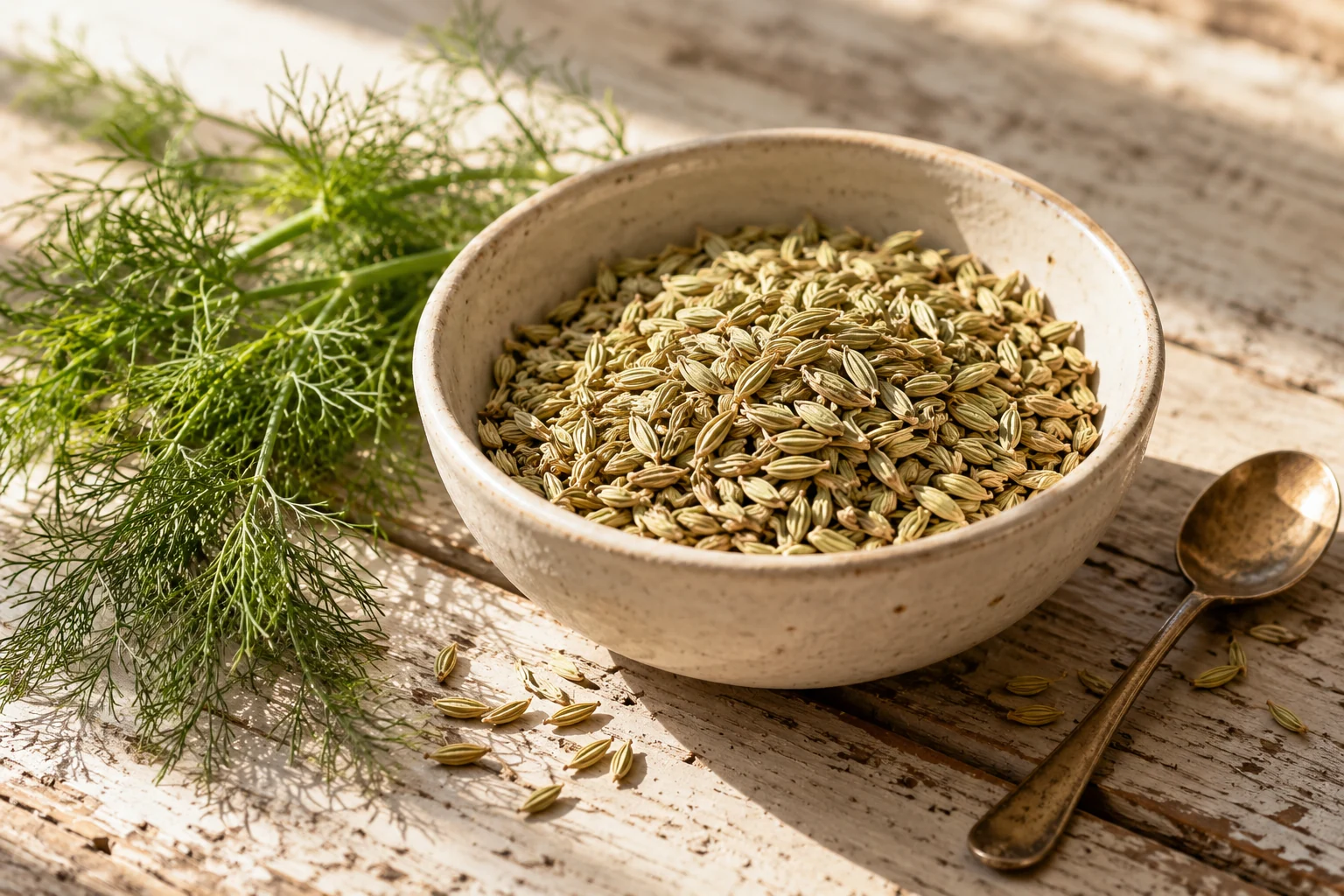
The postpartum table can be simple: something warm to eat, water within reach and another person’s help. Herbs may be part of that picture, but low milk supply calls for attention to feeding, milk transfer and the health of both parent and baby.
“Galactagogue” means a substance used to encourage milk production. It is a traditional role, not a guarantee that a tea or supplement will meet an individual feeding need.
Nutrition, taste & common uses
| Plant | Taste & form | Nutrition | Common context |
|---|---|---|---|
| Oats | Mild and creamy; cooked grain or food. | Carbohydrate, fiber and some protein. | An easy nourishing meal in a demanding season. Enjoy as food; oats are not a dependable treatment for low milk supply. |
| Ginger | Warm, aromatic and pungent in food. | Flavor rather than substantial nutrition at spice amounts. | Kitchen and postpartum traditions; appears in some lactation blends. Food and concentrated supplements differ. Review medicinal use and other medicines. |
| Turmeric | Earthy and gently bitter; culinary spice. | Small spice amounts do not supply major nutrients. | Traditional cooking and some postpartum blends. Keep culinary use separate from concentrated supplements; review medicinal amounts with your clinician. |
| Fenugreek | Bitter, maplelike seeds; culinary spice or supplements. | Food amounts can contribute to a varied meal; capsules are not a nutritional foundation. | A long-used lactation herb with variable effects on milk supply. Can cause digestive upset or allergy and interact with medicines, including warfarin. Review before use. |
| Fennel | Sweet and aniselike; bulb and seeds in food. | The bulb contributes food fiber; tea provides little nutrition. | Culinary use and traditional lactation blends. Medicinal teas and extracts need review; avoid excessive herbal tea intake and do not give tea to an infant. |
A short history
Foods and herbs used after birth differ across families and places. Fenugreek, ginger and turmeric appear together in Thai lactation practice. Fennel also has a long place in digestive and milk-support traditions; no single mixture represents every postpartum culture.
Energy & character
Oats is soft and sustaining; ginger is pungent; turmeric is earthy; fennel is sweetly aromatic; fenugreek combines bitterness with a maplelike scent. Let familiar tastes support a meal and a moment of rest.
Symbolism
As a personal ritual, a shared bowl or prepared cup can stand for receiving care. Feeding does not have to be a solitary achievement, and the amount of milk someone produces is not a measure of devotion.
Begin with feeding support
If supply seems low, ask a lactation professional to assess latch, milk transfer, feeding or pumping frequency, and the baby’s weight pattern. Herbs cannot correct every cause of low supply. A supplement should be considered within that assessment, not in place of it.
Nourish the whole day
Keep meals varied and satisfying. Iodine, choline and several vitamins deserve attention during lactation; vegan and vegetarian diets may need particular planning for vitamin B12 and other nutrients. Review supplements with your clinician rather than assuming a lactation tea covers nutritional needs.
A fenugreek–ginger–turmeric blend has been studied in breastfeeding mothers, but a result with one combination cannot tell us what each ingredient will do by itself. Choose a specific product only after reviewing your situation.
References
- Dr. Tori Hudson · Fenugreek, ginger and turmeric: breast milk (2019)
- LactMed · Fenugreek
- LactMed · Fennel
- NCCIH · Fenugreek
- CDC · Maternal diet and breastfeeding (2026)
- American Botanical Council: Oat, HerbalGram 135 (2022)
- NCCIH · Turmeric
- Bumrungpert and colleagues · Fenugreek, ginger and turmeric supplementation during breastfeeding (2018)