
Phytoestrogens
Seeds, beans and blossoms in the conversation about women’s changing hormones.
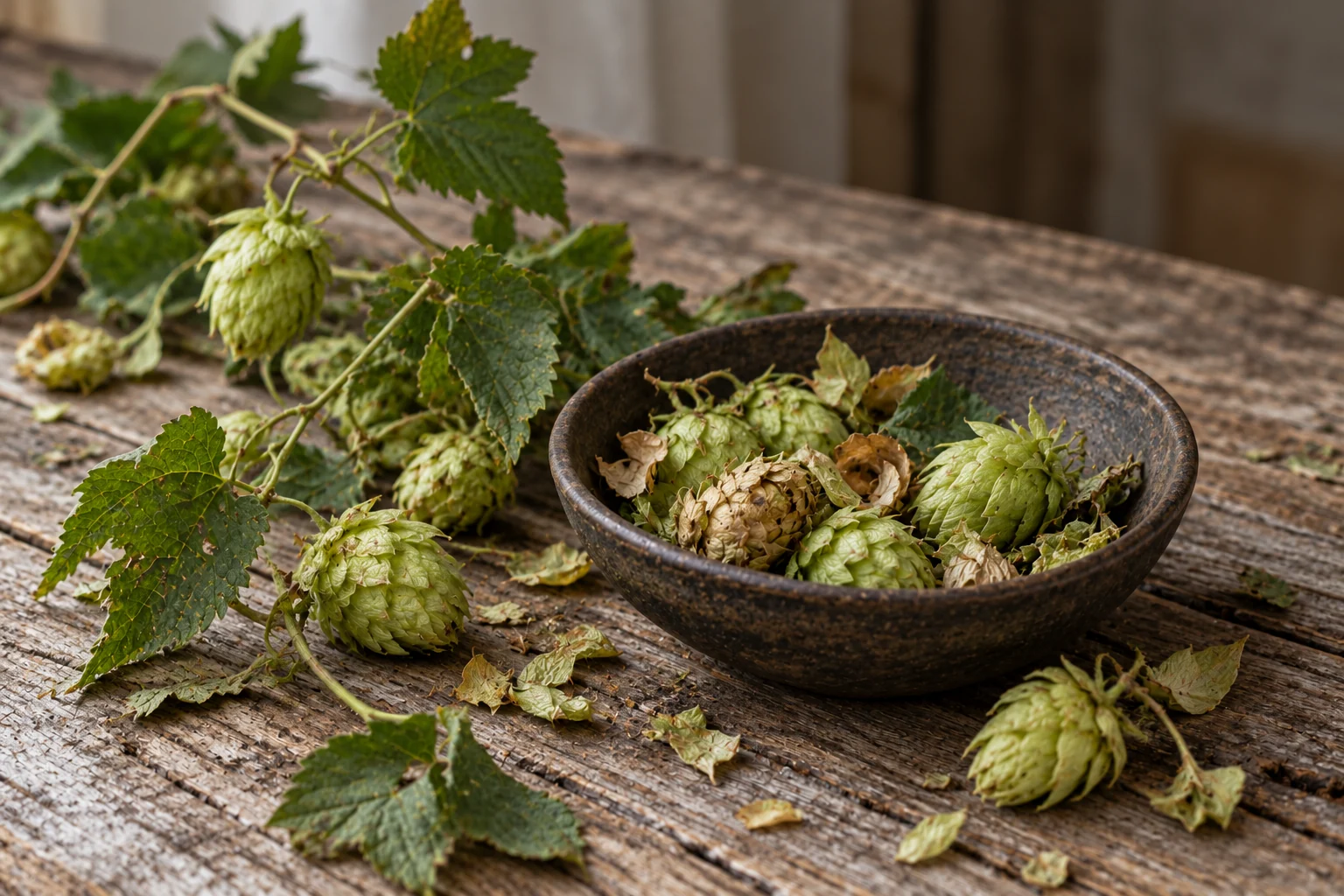
Phytoestrogens are plant compounds that can interact with estrogen receptors. Soy, flax, red clover and hops each bring a different chemistry, taste and tradition. A serving of food, a cup of tea and a concentrated extract are different preparations.
Start with the plant and its place in your life: something nourishing on the plate, a familiar flavor, or a specific symptom you want to discuss with your clinician.
Nutrition, taste & common uses
| Plant | Taste & form | Nutrition | Common context |
|---|---|---|---|
| Soy | Mild and savory; tofu, tempeh or cooked edamame. | Protein; calcium varies by product and preparation. | Everyday food; isoflavones are also used in products for menopausal hot flashes. Avoid with soy allergy. Review concentrated supplements separately from foods. |
| Flaxseed | Nutty; ground seed stirred into food. | Fiber and alpha-linolenic acid, a plant omega-3 fat. | Food-based nourishment and bowel regularity; its lignans are phytoestrogens. Take with adequate fluid. Check medicine timing with a pharmacist; pregnancy supplements need review. |
| Red clover | Mild and grassy; flowering tops in teas or extracts. | Tea is not a dependable source of dietary protein or minerals. | Isoflavone-rich extracts appear in menopause care. Avoid during pregnancy and breastfeeding; review hormone-sensitive conditions and medicines. |
| Hops | Deeply bitter and aromatic; dried cones or specified extracts. | Used for flavor and herbal preparations, rather than nourishment. | Evening-rest traditions; certain extracts are used for menopausal symptoms. Can cause drowsiness. Review use with sedating medicines and hormone-sensitive conditions. |
A short history
Soy belongs to long-standing East Asian food traditions; flax has been cultivated for both seed and fiber. Red clover and hops have their own herbal histories. “Phytoestrogen” brings these plants together by their constituents, rather than by a single ancestral tradition.
Energy & character
The foods are earthy and sustaining; red clover is softly grassy; hops is markedly bitter and resinous. These are sensory descriptions and traditional impressions, not a promise that each plant will have the same hormonal effect.
Symbolism
For personal reflection, seeds can suggest continuity and nourishment through change. The meaning here is an invitation to create your own ritual, rather than a shared historical belief about all phytoestrogen-containing plants.
Get to know the plants
Soy
- History
- A food tradition expressed through many preparations, including tofu and fermented tempeh.
- Energy & character
- Mild, adaptable and substantial as food.
- Symbolism
- A personal image of nourishment woven into daily life.
Flax
- History
- Its stems supplied linen while its seeds became food and part of digestive traditions.
- Energy & character
- Nutty and softening when ground seed meets moisture.
- Symbolism
- For reflection: a thread connecting what sustains us.
Red clover
- History
- Flowering tops moved from meadow herbalism into modern menopause preparations.
- Energy & character
- Green, gently grassy and meadowlike.
- Symbolism
- For reflection: the quiet abundance of an ordinary field.
Hops
- History
- Known through brewing and European evening-rest preparations.
- Energy & character
- Bitter, aromatic and settling in its herbal tradition.
- Symbolism
- For reflection: making room for the day to end.
Food first, preparation by preparation
Soy foods and ground flax can belong to an ordinary varied diet. Concentrated products require a separate decision. A plant’s phytoestrogen content does not make it interchangeable with prescription hormone therapy, and these plants are not all-purpose “hormone balancers”.
References
- NCCIH · Soy
- NCCIH · Flaxseed and flaxseed oil
- NCCIH · Red clover
- NCCIH · Menopausal symptoms
- Dr. Tori Hudson · Hops, hot flashes and menopause symptoms (2015)
- European Medicines Agency · Hop strobile