Andrographis is known for its intense bitterness and its history in Asian herbal medicine. Andrographis paniculata, also called chuan xin lian, has been studied for symptoms of uncomplicated upper respiratory infections.
- Bitter tradition
- Immune research & tradition
Where the research is focused
A randomized trial of a defined extract reported improvements in symptom scores. That gives this bitter herb a particular place in seasonal research, with the exact preparation central to understanding the result.
Meet the herb
The aerial parts are used in the featured liquid extract. Its traditional character is quite different from a nourishing everyday tea. The current research and important suitability information are collected below for an individual review.
From the plant to my apothecary
My selection.
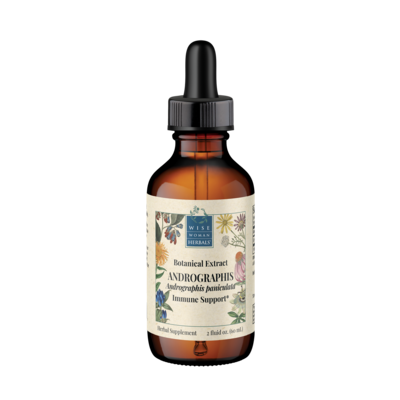
This liquid herb extract identifies Andrographis paniculata, also known as chuan xin lian. It provides a specific preparation to explore alongside the seasonal research and current suitability information below.
I may earn income from purchases through my Fullscript shop.
Meet the botanical
Andrographis paniculata
- Family
- Acanthaceae
- Parts in focus
- Aerial parts; the featured preparation is an herb extract in water and alcohol.
Common uses
Traditional and everyday uses, at a glance.
| Common use | Part & preparation |
|---|---|
| Seasonal respiratory research | Defined extracts in short-term trials |
| Traditional Asian herbalism | Aerial-part preparations; clinician-guided consideration |
A short history
Andrographis has been used in Indian and Chinese herbal traditions. Modern trials have examined defined extracts for short-term respiratory symptoms.
Energy & character
Intensely bitter in character. Sensory strength is not a measure of effectiveness or safety.
Symbolism
For personal reflection, the plant can represent discernment: knowing when a botanical requires a closer look.
The research & references
What the studies tell us
The 2010 KalmCold trial studied a specific extract in 223 people with uncomplicated upper respiratory infection. It did not study this tincture. The TGA’s 2026 safety review and Australian recalls address a significant anaphylaxis signal; they are not evidence of a U.S. recall of this particular product.
Clinician-guided selection. Review the preparation and your health history with a qualified naturopathic or functional medicine practitioner.
Care with this plant.
Andrographis can cause severe, unpredictable allergic reactions, even after previous uneventful use. Avoid self-prescribing it. Stop use and seek emergency help for breathing difficulty, throat or tongue swelling, or collapse. Avoid during pregnancy; seek individual guidance with medicines, immune conditions, or breastfeeding.
Research relates to the species, preparation, and people studied. Findings for an ingredient do not establish the effects of the complete featured formula.
Explore the sources
About this article & supplement statements
These statements have not been evaluated by the Food and Drug Administration. These products are not intended to diagnose, treat, cure, or prevent any disease.
Medicine Wild offers botanical education from Dr. Michele Burklund’s naturopathic and functional medicine perspective. This article is for informational purposes and does not replace individual medical advice, diagnosis, or treatment. A qualified practitioner can help you choose care suited to your health history.