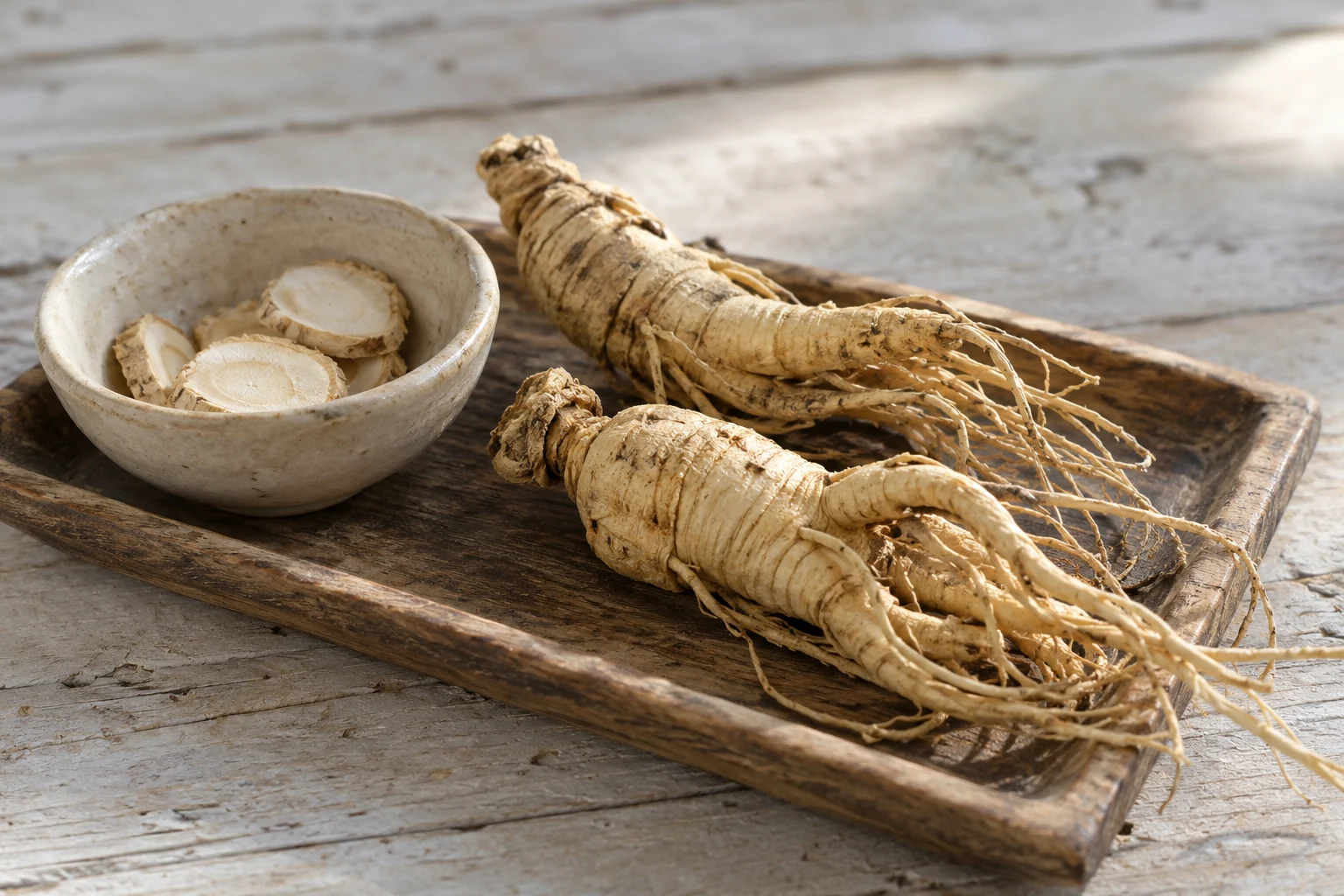
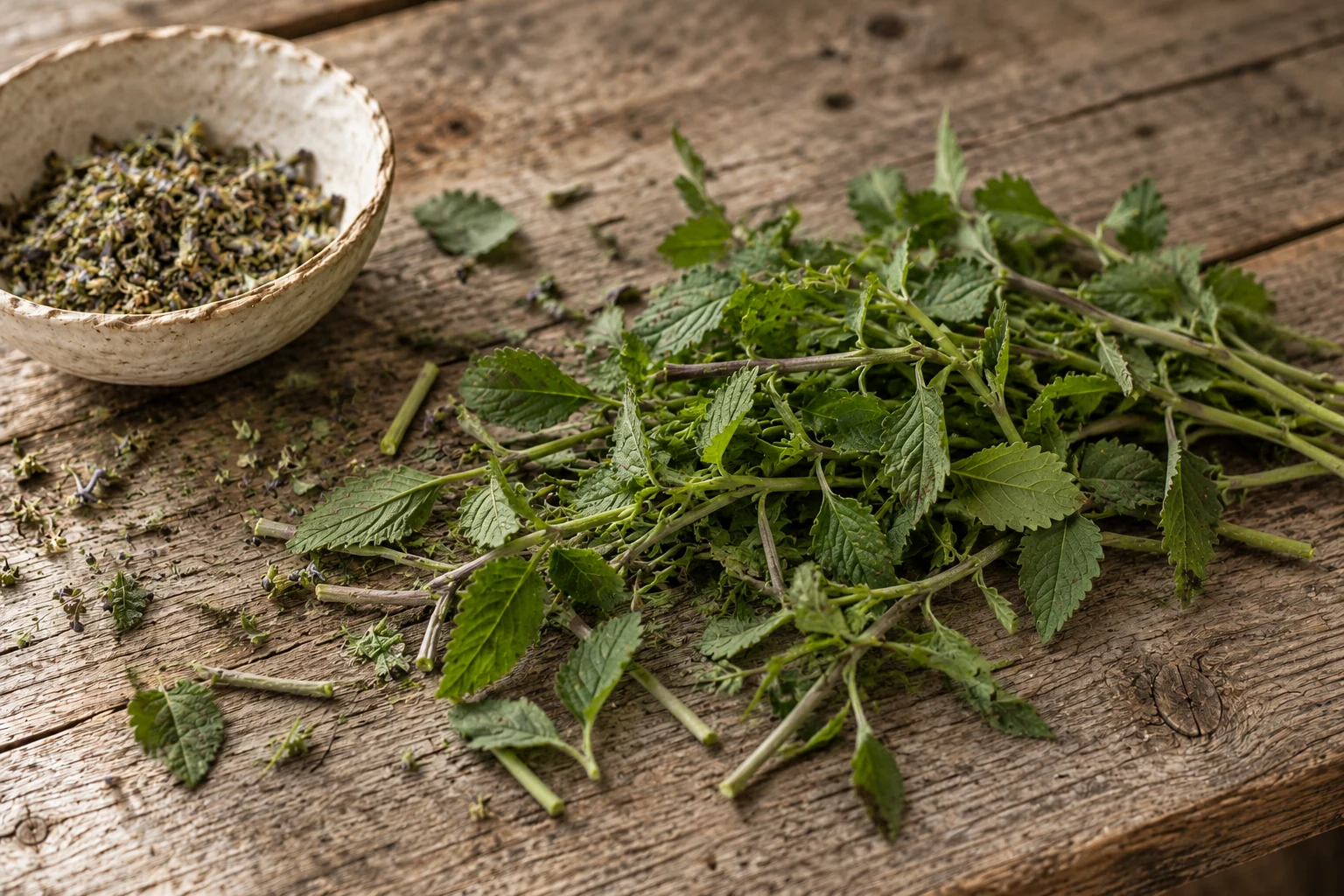
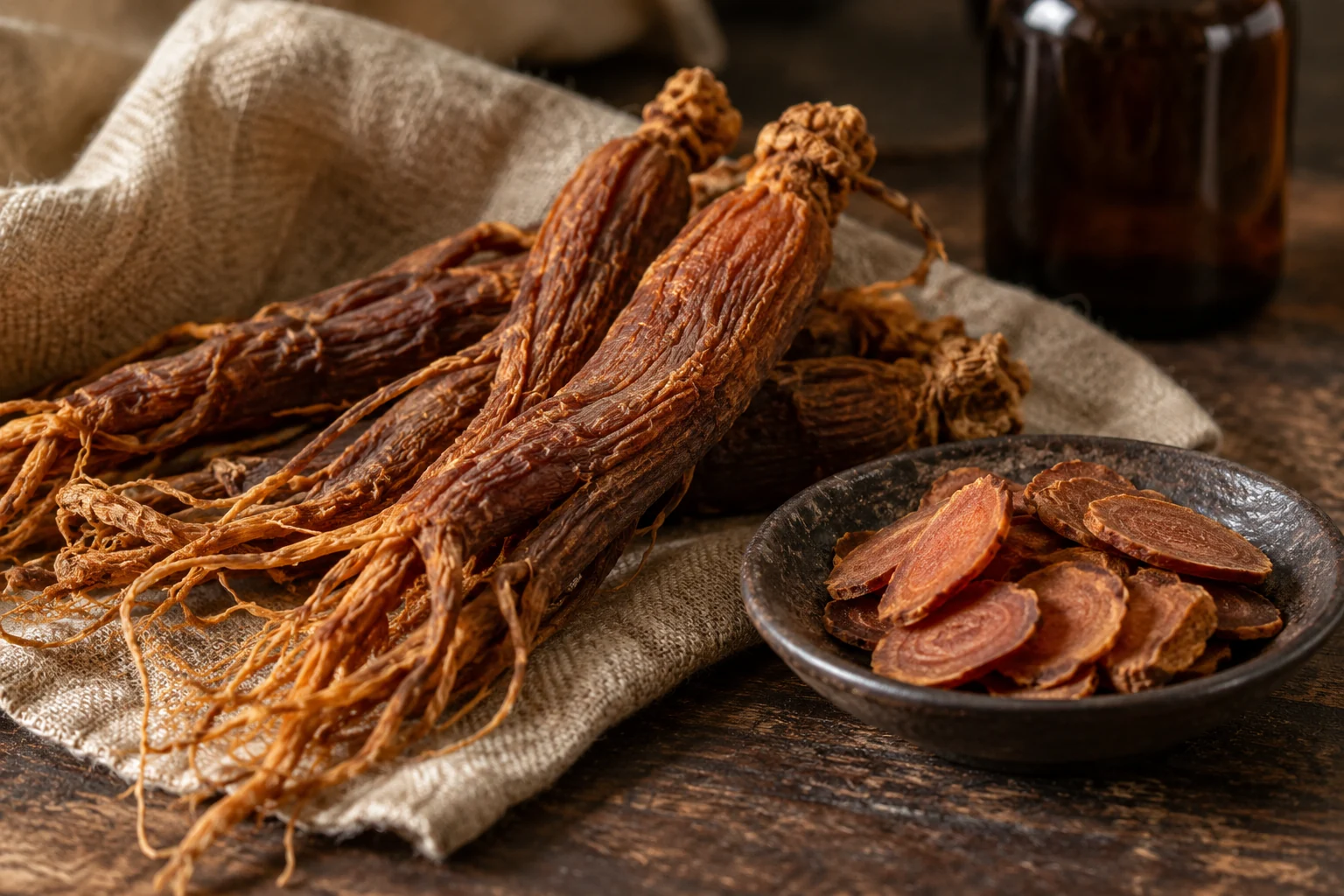
Red root is traditionally associated with lymphatic support in Western herbal practice. Ceanothus americanus is a shrub with delicate clusters of flowers and a substantial woody root. That root is the part used in the featured preparation.
A traditional focus on movement
Herbalists have used red root within the language of lymphatic care. This is a traditional-use story, with human clinical evidence still lacking. Everyday movement and appropriate hydration give the broader conversation a practical starting point.
Meet the root
The plant is also called New Jersey tea, a name linked to historical use of its leaves. The fresh-root extract has a different identity, bringing the woody, astringent side of the plant into focus.
From the plant to my apothecary
My selection.
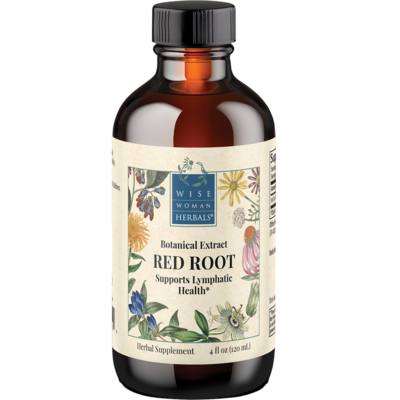
The fresh-root preparation is what drew me to this selection. It keeps Ceanothus americanus clearly identified and connects the bottle with red root’s traditional place in lymphatic herbal care.
I may earn income from purchases through my Fullscript shop.
Meet the botanical
Ceanothus americanus
- Family
- Rhamnaceae
- Parts in focus
- Root; the featured extract uses fresh root. The historical leaf tea is a different preparation.
Common uses
Traditional and everyday uses, at a glance.
| Common use | Part & preparation |
|---|---|
| Traditional lymphatic herbalism | Root preparations chosen individually |
| Historical tea substitute | Leaves; distinct from the root extract |
A short history
Ceanothus americanus is native to North America. Its leaves were used as a tea substitute during the American Revolution; that use is distinct from the fresh-root extract featured here.
Energy & character
The root’s astringent character is part of its herbal identity. ‘Moving’ and ‘lymphatic’ language describes a tradition, not a confirmed clinical effect.
Symbolism
For a personal reflection, red root can represent a steady foundation beneath visible change.
The research & references
What the studies tell us
The linked botanical and manufacturer sources support identity and preparation. They do not provide controlled human evidence that this extract treats lymphatic disease or removes toxins. Traditional-use language is presented separately from demonstrated clinical outcomes.
Clinician-guided selection. Review the preparation and your health history with a qualified naturopathic or functional medicine practitioner.
Care with this plant.
Human safety information is limited. Seek individual guidance before use, especially during pregnancy or breastfeeding, with medicines or a bleeding/clotting condition. Unexplained swollen nodes, persistent fever, or new swelling should be assessed rather than managed as a ‘detox’ problem.
Research relates to the species, preparation, and people studied. Findings for an ingredient do not establish the effects of the complete featured formula.
Explore the sources
About this article & supplement statements
These statements have not been evaluated by the Food and Drug Administration. These products are not intended to diagnose, treat, cure, or prevent any disease.
Medicine Wild offers botanical education from Dr. Michele Burklund’s naturopathic and functional medicine perspective. This article is for informational purposes and does not replace individual medical advice, diagnosis, or treatment. A qualified practitioner can help you choose care suited to your health history.