

A journal of nature, knowledge & soulSeven plants · Your free guide ↗
The Apothecary / The Medicinal Mushroom Edit

01 / The introduction

The Medicinal Mushroom Edit

Fungal intelligence. The preparation matters.

Fungi have a long place in food and healing traditions. A useful conversation begins with the species, the part used, the extraction method, and the human research on that particular preparation. This guide keeps those distinctions visible.

By Dr. Michele Burklund, ND · Updated November 1, 2026

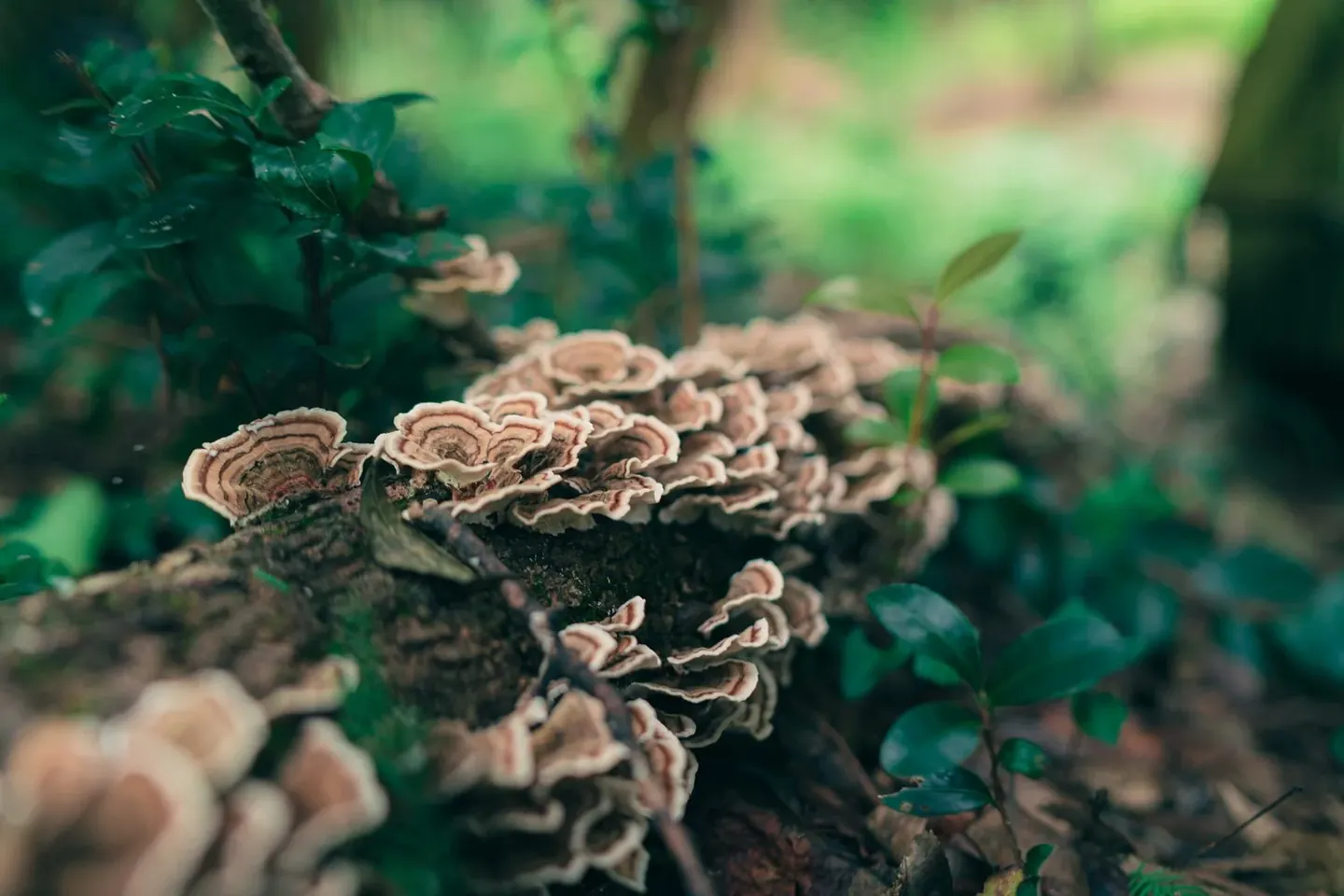
Layered woodland shelf fungi growing along a mossy tree trunk
Dr. Michele Burklund

02 / A note from Dr. Michele

A note from Dr. Michele.

Fungi have a long place in food and healing traditions. A useful conversation begins with the species, the part used, the extraction method, and the human research on that particular preparation. This guide keeps those distinctions visible.

03 / Begin with the foundations

Before protocols. Before supplements.

Nourishment before more formulas

Begin with regular meals, enough energy and protein, varied plants, and hydration suited to your health. Consider what is missing before layering on products.

Rhythm, rest & movement

Sleep, daylight, movement that fits your capacity, and supportive relationships belong in the first conversation. Look at the demands placed on your body and the recovery available to it.

Your environment & daily habits

Consider relevant exposures, irritants, personal-care products, and the routines shaping your symptoms. Change what is meaningful and practical; an elaborate routine is not the goal.

A reason for the next step

Review symptoms, current medicines, allergies, pregnancy or preconception plans, and existing results. A test or formula should answer a real question or support a clear need.

04 / Inside the Edit

A place for each selection.

These are distinct options to consider individually. Explore the preparation before deciding what belongs in your care.

01 / FOOD & TRADITION

Food & tradition.

Individual selections, considered alongside the foundations of care.

    03 / IMMUNE RESEARCH

    Immune research.

    Individual selections, considered alongside the foundations of care.

      04 / IDENTITY & QUALITY

      Identity & quality.

      Individual selections, considered alongside the foundations of care.

        05 / The science behind my selections

        Read a little deeper.

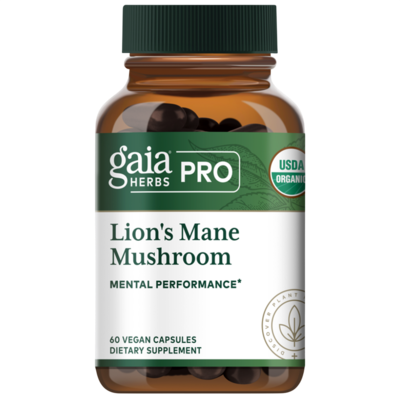
        Gaia Herbs Pro Lion's Mane Mushroom

        Gaia Herbs Pro

        Lion's Mane Mushroom

        I chose this preparation because it identifies Hericium erinaceus fruiting-body extracts. That clarity connects the remarkable mushroom with what is actually in the capsule and gives the cognitive-wellbeing conversation a useful starting point.

        Hericium erinaceus

        Plant part
        Mushroom fruiting body

        Preparation
        Extracted mushroom capsules

        An edible fungus used in Chinese and Japanese food and traditional medicine; it is not a plant.

        Important constituents. Beta-glucans and other polysaccharides; hericenones are associated with fruiting bodies. Erinacine-enriched mycelium is a different preparation.

        Small human studies suggest possible cognitive effects. The 2009 trial involved only 30 people with mild cognitive impairment; this does not establish dementia prevention or treatment. Fruiting-body and mycelium studies are not interchangeable.

        Avoid with mushroom allergy. GI upset or hypersensitivity may occur; long-term, pregnancy and breastfeeding safety remain inadequately characterized.

        Manufacturer specifies fruiting bodies without mycelium; do not transfer erinacine-enriched mycelium trial results.

        VIEW PRODUCT ON FULLSCRIPT →
        Research & references

        The mycological library.

        Lion’s Mane and the Possibility of a Clearer Mind

        Lion’s mane has a memorable appearance and an equally interesting research story. Hericium erinaceus is being explored for memory and cognitive wellbeing. Small human trials have reported encouraging results with particular preparations, making it a mushroom worth getting to know.

        The clarity connection

        One placebo-controlled study found improved cognitive scores during use in older adults with mild cognitive impairment. The findings are early, but they give a focused reason for the interest in this remarkable mushroom.

        Know the part in your capsule

        The cascading white mushroom is the fruiting body; mycelium is the thread-like fungal network. Preparations can use either. My featured selection identifies fruiting-body extracts, giving this mushroom’s story a clear connection to the bottle.

        Meet the botanical

        Hericium erinaceus

        Family
        Hericiaceae
        Parts in focus
        Fruiting body; the featured capsules contain fruiting-body extracts, not mycelium.
        At a glance

        Common uses

        Traditional and everyday uses, at a glance.

        Common usePart & preparation
        Food traditionProperly identified, cooked mushroom
        Cognitive researchSpecific mushroom preparations studied in small human trials

        A short history

        An edible mushroom with a place in East Asian food and herbal traditions, lion’s mane now also appears in clinical research on cognition.

        Energy & character

        Its soft, cascading form invites a quieter image of nourishment. This is a sensory interpretation, not a physiological classification.

        Symbolism

        For a personal ritual, lion’s mane can represent attention: returning to one thing, with enough space to notice it.

        The research & references

        What the studies tell us

        The 2009 trial was small and evaluated a specific preparation in adults with mild cognitive impairment. Its findings are preliminary and do not establish dementia prevention, long-term benefit, or equivalence across powders, fruiting-body extracts, and mycelium products.

        Care with this plant.

        Avoid if you are allergic to mushrooms. The featured product is not for use during pregnancy; seek individual guidance during breastfeeding or if you take medicines or have a medical condition. Persistent or worsening memory changes deserve assessment rather than a supplement alone.

        Research relates to the species, preparation, and people studied. Findings for an ingredient do not establish the effects of the complete featured formula.

        Explore the sources

        1. Mori et al. · Lion’s mane and mild cognitive impairment, randomized trial
        2. Gaia Herbs Pro · Lion’s Mane Mushroom formulation
        3. Gaia Herbs Pro · Current product label in Dr. Michele’s Fullscript shop

        Reishi and the Tradition of Deep Restoration

        Reishi has a long place in Chinese traditions of vitality and wellbeing. Known as lingzhi, it is also a striking cultural symbol of longevity and spiritual nourishment. Its bitter taste gives it a distinctive identity in the mushroom apothecary.

        A restorative perspective

        The traditional tonic idea is about sustaining a person over time. Reishi belongs to that wider conversation about rest, nourishment, and resilience. Researchers are also exploring its polysaccharides and other compounds in relation to immune activity.

        Know your mushroom

        Species, fruiting body or mycelium, and extraction method all help describe a preparation. These details make it easier to connect reishi’s rich traditional story with what is actually in a powder, capsule, or extract.

        Meet the botanical

        Ganoderma lingzhi Sheng H.Wu, Y.C.Dai & Y.Cao; commercial reishi also includes other Ganoderma species historically labeled G. lucidum

        Family
        Ganodermataceae
        Parts in focus
        Fungal fruiting body, cultivated mycelium, and spores; each preparation must be identified separately.
        At a glance

        Common uses

        Traditional and everyday uses, at a glance.

        Common usePart & preparation
        Tonic traditionsIdentified fruiting-body preparations
        Immune-related careSpecified fungal extracts with clinical oversight

        A short history

        Known as lingzhi in Chinese tradition, reishi has a longstanding place in tonic medicine, art and cultural imagery. It is a fungus included within the broader materia medica.

        Energy & character

        Woody and distinctly bitter, with a traditional character associated with steadiness and sustained vitality.

        Symbolism

        Chinese lingzhi symbolism includes longevity, wellbeing and spiritual potency. These meanings concern the quality and continuity of life as well as medicine.

        The research & references

        What the studies tell us

        Traditional tonic and longevity meanings are not proof that a supplement extends life or boosts immunity. A randomized metabolic-syndrome trial did not find improvements in its primary or secondary measures. Reishi preparations differ, and interactions—including bleeding, immunosuppressant, and oncology concerns—need individual review.

        Care with this plant.

        Review bleeding, immunosuppressant, and oncology interactions; rare liver-injury reports exist. Avoid unsupervised pregnancy/lactation/pediatric use. Not a cancer treatment or substitute for assessment of persistent fatigue.

        Research relates to the species, preparation, and people studied. Findings for an ingredient do not establish the effects of the complete featured formula.

        Explore the sources

        1. Great Ganoderma: Reishi Mushroom; Herb of Spiritual Potency and Medical Wonder
        2. Ganoderma lucidum (Lingzhi or Reishi)
        3. A double-blind, randomised, placebo-controlled trial of Ganoderma lucidum for cardiovascular risk factors of metabolic syndrome
        4. Taxonomic Position and Species Identity of the Cultivated Yeongji Ganoderma lucidum in Korea
        5. Reishi Mushroom — About Herbs

        Cordyceps and the Possibility of More Staying Power

        Cordyceps is often discussed when the goal is energy and stamina. It has a long place in Chinese restorative traditions, and researchers have explored particular cultivated preparations for exercise performance. The name covers several distinct fungal materials.

        The stamina question

        A small trial of the cultured preparation Cs-4 found improvements in some exercise measures in older adults. Other studies have been less encouraging. Together, they make this an interesting, still-developing area of research around physical capacity.

        Know the preparation

        Cultivated Cordyceps militaris and preparations associated with Ophiocordyceps sinensis have different identities. A clearly named species and material help connect a product with its research. Movement, nourishment, and recovery give the wider vitality conversation its foundation.

        Meet the botanical

        Cordyceps militaris; Ophiocordyceps sinensis and separately identified cultured preparations

        Family
        Cordycipitaceae / Ophiocordycipitaceae, depending on species
        Parts in focus
        Cultivated fruiting body or mycelium; species and culture must be identified.
        At a glance

        Common uses

        Traditional and everyday uses, at a glance.

        Common usePart & preparation
        Vitality traditionIdentified cultivated fungal preparations
        Exercise-capacity researchSpecific extracts and cultures studied in human trials

        A short history

        Cordyceps has a long place in Chinese restorative practice. Cultivation now supplies many preparations used in modern supplements and clinical research.

        Energy & character

        Traditionally associated with vitality and stamina. These are herbal concepts; the experience varies with the preparation and the person.

        Symbolism

        A personal symbol of steady effort: energy given room to recover before the next ascent.

        The research & references

        What the studies tell us

        A 2010 pilot studied Cs-4 in healthy older adults; some exercise thresholds improved, while peak oxygen uptake did not. A separate trial in trained cyclists found no performance benefit. These findings do not establish that all cordyceps products improve endurance. Cultured mycelium and C. militaris fruiting-body preparations are not interchangeable.

        Care with this plant.

        Avoid if you have a mushroom allergy. Review concentrated products with your practitioner if you use medicines affecting blood glucose, clotting, or immune function. Pregnancy, breastfeeding, and long-term safety data are limited.

        Research relates to the species, preparation, and people studied. Findings for an ingredient do not establish the effects of the complete featured formula.

        Explore the sources

        1. Chen et al. · Cs-4 and exercise performance in older adults
        2. Parcell et al. · Cs-4 and endurance exercise in trained adults
        3. Memorial Sloan Kettering · Cordyceps

        Turkey Tail and the Fascinating World of Immune Research

        Turkey tail is easy to admire: small woodland fans layered with bands of color. Trametes versicolor also has a substantial research story, especially around particular polysaccharide-containing extracts and their interaction with the immune system.

        The compounds drawing attention

        Polysaccharides are complex carbohydrates found in fungi. Researchers have studied defined turkey-tail preparations, including PSK and PSP, in specific clinical settings. That work is one reason the mushroom holds such interest in functional and integrative care.

        Look closely at the preparation

        Fruiting body, mycelium, and standardized extracts are distinct materials. A clearly described product makes the conversation more useful, connecting the mushroom’s identity with the particular research behind it.

        Meet the botanical

        Trametes versicolor (L.) Lloyd; synonym Coriolus versicolor

        Family
        Polyporaceae
        Parts in focus
        Fungal fruiting body and cultivated mycelium; standardized PSK/PSP extracts differ from whole-mushroom powders.
        At a glance

        Common uses

        Traditional and everyday uses, at a glance.

        Common usePart & preparation
        Traditional respiratory careIdentified fungal preparations
        Specialist adjunctive careDefined medicinal extracts in specific clinical settings

        A short history

        Known as yun zhi in Chinese herbal tradition, turkey tail has a respiratory-use history. Japanese medicinal research also developed particular extracts used alongside cancer treatment.

        Energy & character

        Woody and layered in form, with a traditional character associated with sustained care rather than immediate stimulation.

        Symbolism

        For reflection, the layered bands of the fungus can suggest interdependence: a life supported by many relationships.

        The research & references

        What the studies tell us

        PSK and PSP are defined preparations studied in specialized settings, including as adjuncts to oncology care. A small phase I mycelium study assessed safety and exploratory immune markers, not cancer survival. Retail turkey-tail powders are not equivalent, and this article does not recommend self-treatment of cancer or promise general immune boosting.

        Care with this plant.

        Oncology and immunosuppressant use require specialist review. Possible digestive/allergic effects; pregnancy, lactation, and pediatric safety are insufficient. No self-foraging guidance or cancer-treatment substitution.

        Research relates to the species, preparation, and people studied. Findings for an ingredient do not establish the effects of the complete featured formula.

        Explore the sources

        1. Turkey Tail Mushroom Mycelium Is Safe and May Enhance Immune Response in Women with Breast Cancer in Phase I Trial
        2. Medicinal Mushrooms (PDQ) — Health Professional Version
        3. Phase 1 Clinical Trial of Trametes versicolor in Women with Breast Cancer
        4. Coriolus versicolor — About Herbs

        Maitake for Nourishment and a Closer Look at Immune Health

        Maitake brings generous flavor and an intriguing scientific story to the table. Grifola frondosa, also called hen of the woods, is an edible mushroom with a place in Asian food and medicinal traditions. Its polysaccharides are among the compounds attracting immune research.

        A developing immune story

        A recent controlled study of particular maitake strains found fewer days with some respiratory symptoms in certain groups, without reducing overall infection episodes. It is a useful new thread in the study of food-based immune support.

        From the kitchen to an extract

        The culinary mushroom and a concentrated extract are different preparations. Enjoying a properly identified, cooked mushroom offers a simple food connection, while extracts call for a closer look at the material and the research behind them.

        Meet the botanical

        Grifola frondosa

        Family
        Meripilaceae
        Parts in focus
        Edible fruiting body and separately prepared extracts.
        At a glance

        Common uses

        Traditional and everyday uses, at a glance.

        Common usePart & preparation
        Everyday nourishmentProperly identified, cooked fruiting body
        Immune researchDefined strains, food preparations, and extracts

        A short history

        Maitake is a valued edible mushroom in Asian food culture and a subject of modern research into fungal polysaccharides.

        Energy & character

        Earthy, savory, and substantial at the table. Its sensory character makes nourishment the most immediate way to meet it.

        Symbolism

        Its clustered, overlapping fronds can represent abundance and the pleasure of sharing a meal.

        The research & references

        What the studies tell us

        A 2026 randomized trial used bread containing two different maitake strains. Overall upper respiratory infection incidence did not differ from placebo; some symptom-day and immune-marker results favored one strain. Earlier extract studies also examined immune markers. These results do not establish infection prevention or a benefit for every retail extract.

        Care with this plant.

        Avoid with a mushroom allergy. Concentrated maitake preparations may affect blood glucose and bleeding risk, so review them alongside medicines and your health history. Food use and supplement use have different exposures; pregnancy and breastfeeding supplement data are limited.

        Research relates to the species, preparation, and people studied. Findings for an ingredient do not establish the effects of the complete featured formula.

        Explore the sources

        1. Masuda et al. · Maitake, respiratory symptoms, and immune responses, 2026 trial
        2. Memorial Sloan Kettering · Maitake

        Shiitake for Everyday Nourishment and Immune Curiosity

        Shiitake makes the food-first side of mushroom wellbeing especially appealing. Its rich, savory flavor brings depth to a meal, while researchers have explored how specific shiitake preparations influence immune activity. The species is Lentinula edodes.

        Food as a research subject

        A small dietary study in healthy young adults found changes in several immune measurements after regular shiitake consumption. Those measurements offer a window into how food interacts with the body, with more research needed to understand everyday health outcomes.

        A mushroom with several forms

        Fresh and dried shiitake are familiar cooking ingredients. Concentrated extracts, mycelium products, and the isolated compound lentinan have their own research histories. The preparation tells you which part of this versatile mushroom’s story you are reading.

        Meet the botanical

        Lentinula edodes

        Family
        Omphalotaceae
        Parts in focus
        Edible fruiting body, mycelial preparations, and separately characterized extracts.
        At a glance

        Common uses

        Traditional and everyday uses, at a glance.

        Common usePart & preparation
        Culinary nourishmentProperly identified, thoroughly cooked fresh or dried mushroom
        Immune researchDefined food interventions and distinct extracts

        A short history

        Shiitake has a long place in East Asian food traditions and is now cultivated widely. Its culinary life sits alongside decades of research into fungal compounds.

        Energy & character

        Deeply savory and grounding as a food. This describes its culinary character rather than a physiological category.

        Symbolism

        An invitation to begin with the meal: a familiar ingredient, prepared with care, shared at the table.

        The research & references

        What the studies tell us

        The dietary study reported changes in immune-cell activity and other markers, rather than demonstrating fewer infections. Research on isolated lentinan, including specialized routes of administration, cannot be transferred to a cooked mushroom or an unspecified capsule. Clinical findings vary by preparation and purpose.

        Care with this plant.

        Use properly identified food-grade mushrooms and cook them thoroughly. Shiitake can cause allergy or a distinctive itchy rash, particularly after raw or undercooked exposure, although reactions have also been reported with cooked mushrooms. Review concentrated preparations individually.

        Research relates to the species, preparation, and people studied. Findings for an ingredient do not establish the effects of the complete featured formula.

        Explore the sources

        1. Dai et al. · Daily shiitake consumption and immune measures in healthy adults
        2. Memorial Sloan Kettering · Shiitake mushroom

        Tremella, the Snow Mushroom with a Nourishing Tradition

        Tremella is also called snow mushroom, a fitting name for its pale, delicate folds. Its gelatinous texture gives it a distinctive place in Asian food traditions. Modern research has explored defined preparations for cognitive and metabolic outcomes.

        The memory connection

        An eight-week study in adults with subjective memory complaints found improvements in memory-related measures with a particular tremella preparation. It is an encouraging early result and a less familiar chapter in this mushroom’s story.

        Texture meets nourishment

        The soft, gel-like texture is part of what makes tremella memorable in food. A separate small beverage trial has also explored metabolic measures. Each preparation offers its own research question, with the details gathered below.

        Meet the botanical

        Tremella fuciformis

        Family
        Tremellaceae
        Parts in focus
        Edible gelatinous fruiting body and defined extracts.
        At a glance

        Common uses

        Traditional and everyday uses, at a glance.

        Common usePart & preparation
        Culinary traditionProperly prepared edible snow mushroom
        Cognitive and metabolic researchSpecific extracts and beverage preparations

        A short history

        Snow mushroom has a longstanding place in Asian cooking, including sweet soups. Contemporary trials are exploring a different side of this familiar food.

        Energy & character

        Soft, delicate, and yielding in texture. Its sensory character offers a simple way to understand its appeal.

        Symbolism

        Its translucent folds can suggest softness: making room for a gentler pace and a little more attention.

        The research & references

        What the studies tell us

        A 2018 trial enrolled 75 adults with subjective cognitive impairment and reported improvements in memory complaints and some cognitive tests over eight weeks. A separate 2024 beverage trial examined metabolic outcomes in adults with prediabetes. These small, short studies do not establish dementia prevention, long-term benefit, or equivalence across extracts. They also do not substantiate the skin-hydration claims often made for oral tremella products.

        Care with this plant.

        Avoid with a mushroom allergy. Long-term concentrated-extract safety and pregnancy or breastfeeding use are insufficiently studied. Review a supplement with your practitioner, especially if you have glucose concerns or take medicines. Changing memory symptoms deserve individual assessment.

        Research relates to the species, preparation, and people studied. Findings for an ingredient do not establish the effects of the complete featured formula.

        Explore the sources

        1. Ban et al. · Tremella and subjective cognitive impairment, randomized trial
        2. Gitsomboon et al. · Tremella beverage and metabolic outcomes, randomized trial

        Chaga and the Botanical Curiosity of the Northern Forest

        Chaga looks quite different from a familiar cap-and-stem mushroom. Its dark growth appears on birch trees in cold climates and has a history in northern European folk preparations. Today, researchers are interested in its compounds and their antioxidant and immune-related activity.

        The antioxidant research

        Most of the findings come from laboratory and animal studies. They offer questions to explore about how chaga’s compounds behave; benefits in people have not yet been established in clinical trials.

        A different kind of fungal material

        The material commonly called chaga is a conk containing fungal tissue and material from its host tree. That close connection to the forest makes identification and responsible sourcing central to its story.

        Meet the botanical

        Inonotus obliquus

        Family
        Hymenochaetaceae
        Parts in focus
        Sterile conk, a growth containing fungal tissue and host-tree material.
        At a glance

        Common uses

        Traditional and everyday uses, at a glance.

        Common usePart & preparation
        Northern European folk traditionPrepared conk; historically used in infusions
        Antioxidant and immune researchLaboratory extracts; human benefit remains unestablished

        A short history

        Chaga has a history in Russian and northern European folk medicine. Its modern popularity has brought renewed attention to the source and preparation of the conk.

        Energy & character

        Dark, woody, and bitter in character. These sensory qualities describe the material rather than a measured effect on the body.

        Symbolism

        A reminder of interdependence: the visible fungus belongs to a larger relationship with its host tree.

        The research & references

        What the studies tell us

        Clinical studies have not established chaga’s effectiveness for immune support, metabolic health, or cancer. Laboratory findings cannot predict the effects of drinking a tea or taking a powder. Published case reports describe serious oxalate-related kidney injury after substantial, prolonged chaga intake.

        Care with this plant.

        Chaga can contain high amounts of oxalate. Avoid self-use with kidney disease or a history of oxalate stones, and review any concentrated preparation with a qualified practitioner. Potential bleeding and glucose interactions also matter. Pregnancy and breastfeeding safety are not established.

        Research relates to the species, preparation, and people studied. Findings for an ingredient do not establish the effects of the complete featured formula.

        Explore the sources

        1. Memorial Sloan Kettering · Chaga mushroom evidence and safety
        2. Kikuchi et al. · Chaga-associated oxalate kidney injury
        3. Lee et al. · Kidney disease after long-term chaga intake

        Agaricus and the Study of Metabolic Wellbeing

        Agaricus, often called sun mushroom, is another distinctive member of the medicinal-mushroom cupboard. Products commonly use the name Agaricus blazei. Researchers have studied its extracts for immune activity and metabolic measures, including the way the body responds to insulin.

        The metabolic question

        A small randomized trial found improved insulin-resistance measurements with a defined extract added to participants’ existing diabetes care. That gives agaricus a focused research question, with further studies needed to understand its wider role.

        Make the identity clear

        The species and extract deserve a close look. A named preparation helps distinguish this mushroom from other members of the large Agaricus genus and connects the product to the material actually studied.

        Meet the botanical

        Agaricus subrufescens; commonly labeled Agaricus blazei

        Family
        Agaricaceae
        Parts in focus
        Fruiting body and defined fungal extracts.
        At a glance

        Common uses

        Traditional and everyday uses, at a glance.

        Common usePart & preparation
        Metabolic researchDefined extracts in specific clinical settings
        Immune researchCharacterized fungal preparations

        A short history

        Agaricus preparations have become part of the modern medicinal-mushroom apothecary, with research using several names and different extracts.

        Energy & character

        Its sun-mushroom name offers a bright image; that is a common-name association, not a claim of a stimulating effect.

        Symbolism

        A personal symbol of curiosity: looking beyond a familiar category to understand the individual organism.

        The research & references

        What the studies tell us

        A 2007 randomized trial enrolled 72 adults with type 2 diabetes who continued their existing treatment. The specific extract improved an insulin-resistance measure among completers after 12 weeks. This does not establish that a supplement alone treats diabetes. Immune research is also preparation-specific, and broader clinical evidence remains limited.

        Care with this plant.

        Allergic reactions and liver-injury reports have occurred with agaricus preparations. Review use with a qualified practitioner, especially with liver disease, glucose-lowering medicines, cancer care, or immune-related conditions. Pregnancy and breastfeeding safety are not established.

        Research relates to the species, preparation, and people studied. Findings for an ingredient do not establish the effects of the complete featured formula.

        Explore the sources

        1. Hsu et al. · Agaricus extract and insulin resistance, randomized adjunctive trial
        2. Memorial Sloan Kettering · Agaricus

        Poria and the Tradition of Calm, Restorative Care

        Poria is a less familiar member of the fungal apothecary. Known as fu ling in Chinese medicine, it has traditionally appeared in formulas for digestive patterns, fluid balance, and calming the mind. The material used is a dense fungal structure called a sclerotium.

        A closer look at rest

        A small human study of a defined poria extract reported improvements in sleep duration and some sleep-quality measures. It is early evidence, offering a reason to explore the traditional calming story more closely.

        Understand the formula

        Poria is often encountered as part of a combination. The surrounding ingredients and the particular extract help explain the intended role, making the whole formula an especially useful starting point.

        Meet the botanical

        Wolfiporia cocos; traditionally named Poria cocos

        Family
        Polyporaceae
        Parts in focus
        Sclerotium, a dense storage structure of the fungus.
        At a glance

        Common uses

        Traditional and everyday uses, at a glance.

        Common usePart & preparation
        Calming and digestive traditionsSclerotium prepared in individualized formulas
        Sleep researchSpecific extracts and combination preparations

        A short history

        Fu ling has a long place in Chinese herbal formulas. The part used is a compact fungal storage structure rather than a typical cap-and-stem mushroom.

        Energy & character

        Traditionally associated with gentle, steady support within a formula. This is an herbal characterization rather than a measured physiological effect.

        Symbolism

        A quiet foundation: the less visible element that invites attention to what supports the whole.

        The research & references

        What the studies tell us

        A 2023 study reported sleep improvements in 21 participants after a poria extract, but it lacked a placebo comparison. That design cannot establish that the extract caused the changes. Trials of combinations containing poria provide evidence for the combination, not poria alone. Its digestive and fluid-balance roles remain grounded largely in traditional practice.

        Care with this plant.

        Evidence on long-term concentrated use, interactions, pregnancy, and breastfeeding is limited. Review a preparation individually if you have kidney or fluid-balance concerns or take medicines. Avoid with a known fungal allergy, and seek assessment for persistent sleep difficulties.

        Research relates to the species, preparation, and people studied. Findings for an ingredient do not establish the effects of the complete featured formula.

        Explore the sources

        1. Kim et al. · Poria extract and sleep quality, exploratory clinical study
        2. Poria cocos · Traditional use and research overview
        3. Poria-containing combination and sleep quality, randomized trial

        06 / Functional laboratory testing

        The Foundations Lab Edit

        Before specialized protocols, understand the basics. Start with your story, food, sleep, movement, medications, and relevant exposures, then select the tests most likely to change care.

        01 / BLOOD & NOURISHMENT

        A blood count and individually selected nutrient tests may help investigate symptoms or risk factors. Results need context, especially when inflammation or recent illness may alter them.

        02 / METABOLIC FOUNDATIONS

        The selected lipid and metabolic panels offer context about blood fats, glucose, electrolytes, proteins, and liver and kidney markers. Review the combined pattern with food, movement, blood pressure, and family history.

        03 / THYROID & IMMUNE CONTEXT

        The selected comprehensive thyroid panel includes antibodies. Thyroid hormones describe function, while antibodies can support investigation of an autoimmune process; an antibody result is not a measure of how well you feel.

        04 / A BROADER BASELINE

        The selected female functional-health panel combines multiple systems. Review its components and previous results before ordering, because a broad panel may overlap with the smaller foundational options.

        EXPLORE THE TESTS

        07 / Shop the Edit

        Make the collection your own.

        Fullscript shows the current formulation, price, availability and account offer. Review the label and select individual products; the collection is not intended to be taken in its entirety.

        08 / The physician behind the Edit

        The training behind the choices.

        09 / Related reading & collections

        Keep exploring.

        Are mushroom extracts interchangeable?

        No. Species, fungal material, extraction, and ingredient standardization all matter. A study of a particular preparation cannot establish the effect of every mushroom powder or capsule.

        Is there a dedicated shopping collection?

        The approved Lion’s Mane formula is linked individually. The wider ten-species library is educational; a separate mushroom Fullscript collection is not currently available through a verified collection link.

        Does immune research mean a product treats cancer?

        No. Laboratory findings and studies of specific adjunctive preparations do not make an over-the-counter supplement a cancer treatment. Oncology care and interactions require specialist review.

        10 / Research & references

        The details behind the Edit.

        Research & references

          Individual preparation references appear with each selection. Traditional uses and laboratory findings are distinguished from human clinical evidence. These educational collections do not establish a physician–patient relationship. Purchases through the Fullscript links may financially support my practice.