
Morning light.
Begin the day with natural outdoor light when possible. For people with winter-pattern seasonal affective disorder, appropriately timed bright-light therapy can be particularly helpful.
Search the whole journal across all categories, or explore the plant library:
01 / The introduction
For Seasonal Affective Disorder & the Changing Light
A naturopathic approach to seasonal mood, circadian rhythms, and the darker months. Begin with the foundations, then explore thoughtful support for the changing season.

02 / A note from Dr. Michele
Mornings arrive a little later. Evenings settle in sooner. The warmth of summer gives way to shorter days, cooler air, and a quieter rhythm.
For some, this transition feels restorative. For others, the changing season brings a noticeable shift in energy, motivation, sleep, and emotional well-being.
You may find yourself sleeping longer but waking tired. Reaching for carbohydrates. Feeling less interested in the things you usually love. Or noticing an unfamiliar heaviness that seems to arrive with the darker months.
Seasonal affective disorder is more than the winter blues. It is a recurring form of depression that deserves thoughtful attention.
From a naturopathic and functional medicine perspective, I begin by looking at the biological systems that help us adapt to seasonal change: our circadian clock, light exposure, sleep-wake rhythms, nutritional status, endocrine health, and nervous system.
Rather than simply adding supplements, we begin with the foundations.
The intention is not to resist autumn, but to help the body navigate the changing season with greater resilience.
03 / Begin with the foundations
Begin the day with natural outdoor light when possible. For people with winter-pattern seasonal affective disorder, appropriately timed bright-light therapy can be particularly helpful.
Establish consistent wake and sleep times, even on weekends. Create a distinct difference between bright mornings and dimmer evenings.
Build meals around adequate protein, healthy fats, fiber, and a variety of colorful plant foods. Support steady energy rather than relying on caffeine and sugar to push through exhaustion.
Make space for outdoor movement, meaningful relationships, and regular activities that support emotional well-being, especially when the inclination is to withdraw.
Research commonly uses a UV-filtered 10,000-lux light box for roughly 30–45 minutes in the morning. The device’s prescribed distance matters, and timing should be individualized. Keep your eyes open without staring at the light; follow the manufacturer’s instructions.
Get guidance first if you have bipolar disorder, eye disease, or use photosensitizing medicines. A household lamp, tanning lamp, or red-light device is not interchangeable with a therapeutic bright-light box.
04 / Inside the Edit
The collection begins with therapeutic light and circadian support, followed by targeted nutritional replenishment and carefully selected botanicals.
Every recommendation has a purpose, an explanation, and a place within the therapeutic order.
Not everything needs to be taken. The most thoughtful protocol is the one that addresses what actually needs support.
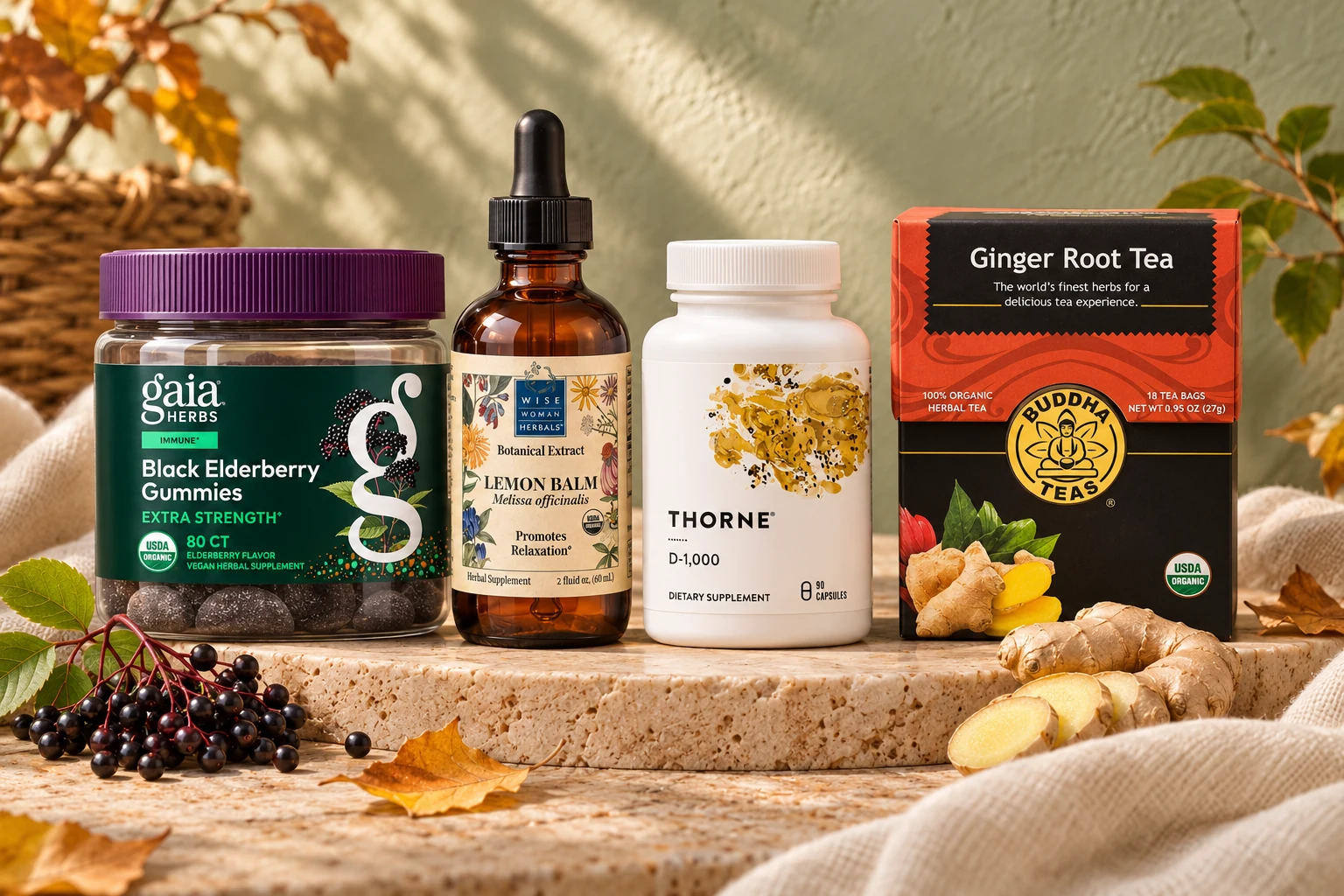
The 19 selections below come from my Autumn Edit. They are individual options, including alternative forms of the same plant. Immune, digestive, and skin selections address broader seasonal care; they are not presented as treatments for SAD.
01 / Light & nourishment
Therapeutic light, targeted vitamin D, and an easy nourishment option.
02 / Nervous system & resilience
Distinct botanical preparations for an individual conversation about rest and resilience.
03 / Seasonal immune care
Prepared elderberry alternatives, astragalus, and a gut-focused formula.
04 / Digestion, skin & daily ritual
Aromatic teas, bitter roots, golden botanicals, and separate oral and topical oils.
05 / The science behind my selections

BrainMD
A light-based starting point
Light reaches the circadian system through the eyes. This selection brings the first step of the Edit back to light exposure, before adding another supplement. BrainMD describes this lamp as offering up to 10,000 lux; the light received depends on distance and settings. Follow its instructions and an individualized timing plan.
Discuss light therapy before use if you have bipolar disorder, a retinal condition, or take a medicine that increases light sensitivity. Stop and seek advice for agitation, reduced need for sleep, or troublesome eye symptoms.
VIEW PRODUCT ON FULLSCRIPT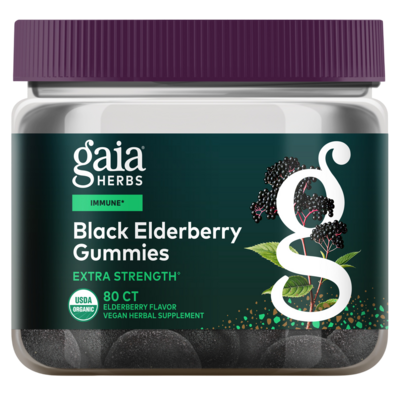
Gaia Herbs
A prepared berry, in a gummy
A convenient alternative for readers who prefer a gummy to a capsule or syrup. Elderberry belongs to the seasonal respiratory-care tradition; it is not a treatment for SAD. Human studies are limited and do not establish reliable prevention of winter infections.
Choose one elderberry preparation suited to you; these three formats are alternatives. Review sugars, ingredients, and age-specific directions.
BROWSE MY FULLSCRIPT SHOPIn the storefront, search for “Black Elderberry Extra Strength Gummies” by Gaia Herbs. Current availability and directions appear there.
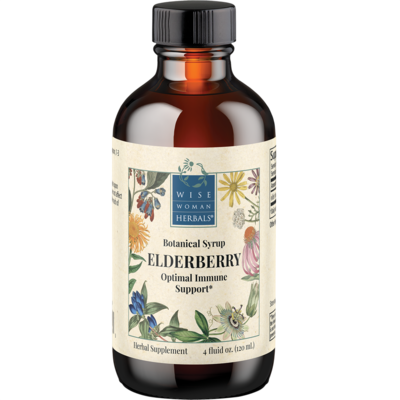
Wise Woman Herbals
The familiar winter syrup
This liquid preparation offers a different way to meet the elderberry tradition. Its place here is in thoughtful seasonal respiratory support, with realistic expectations about the limited clinical evidence.
Use a properly prepared product. Raw or unripe berries, stems, and leaves can be toxic. Do not use a syrup to delay assessment of a significant or worsening illness.
VIEW PRODUCT ON FULLSCRIPT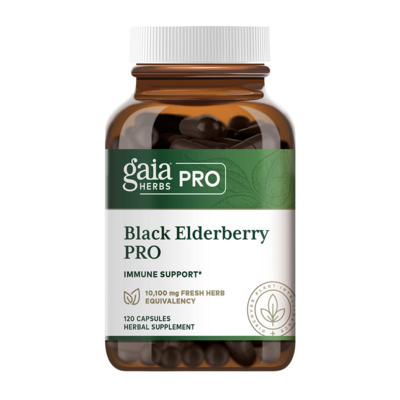
Gaia Herbs Pro
A capsule alternative
The capsule format offers another prepared-berry option. It sits alongside the syrup and gummies so you can compare formats, rather than combine all three.
Evidence from one elderberry extract cannot automatically be transferred to every formulation. Review the current label and your own medicines.
VIEW PRODUCT ON FULLSCRIPT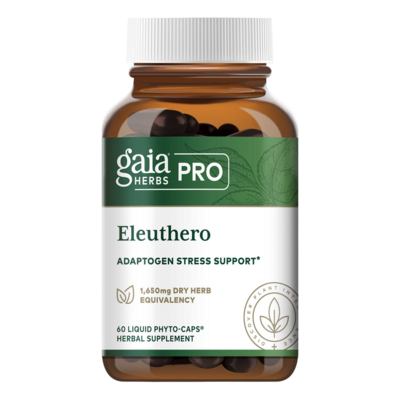
Gaia Herbs Pro
A conversation about reserves
Eleutherococcus senticosus has a long traditional role in fatigue and resilience. The capsule format may suit someone considering a clearly identified preparation within an individual care plan. It should prompt attention to rest and nourishment, rather than become a way to keep pushing through exhaustion.
Clinical evidence is limited. Review blood pressure, sleep, heart conditions, and medicines before use. This is an alternative to the solid extract.
VIEW PRODUCT ON FULLSCRIPT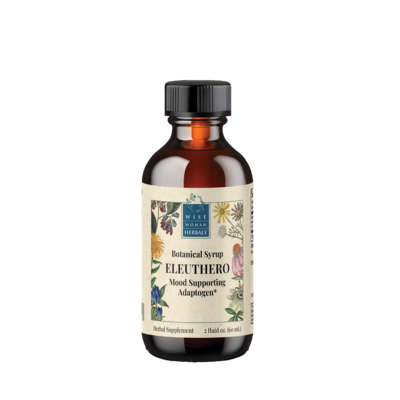
Wise Woman Herbals
A different expression of the root
The solid-extract format brings another texture and preparation to eleuthero’s traditional tonic story. Confirm the package size and current directions when choosing this preparation.
Capsules and solid extracts are not dose-equivalent. Choose a preparation and directions with your clinician.
VIEW PRODUCT ON FULLSCRIPT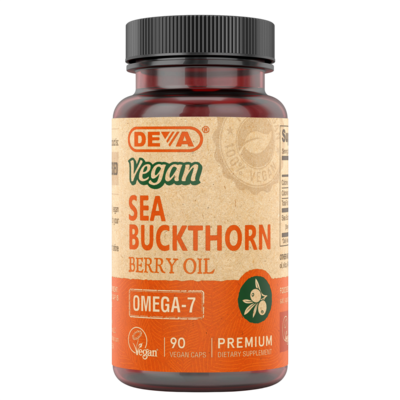
Deva Nutrition
Plant oils, from within
Sea buckthorn seed and fruit oils have different fatty-acid profiles. This oral oil selection belongs to the conversation about nourishment and seasonal skin comfort; benefits depend on the actual oil, preparation, and person. It is not an established treatment for depression or eczema.
Use only the oral product as directed. Do not ingest cosmetic body oil. Check the current label for its oil source and composition.
BROWSE MY FULLSCRIPT SHOPIn the storefront, search for “Vegan Sea Buckthorn Oil” by Deva Nutrition. Current availability and directions appear there.
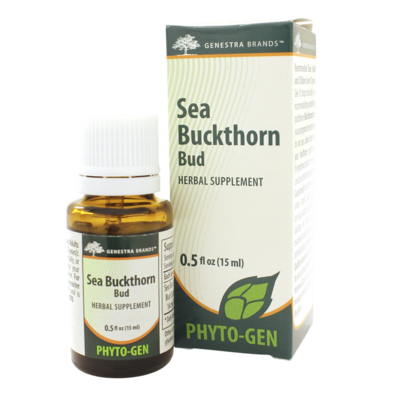
Seroyal/Genestra
A distinct botanical preparation
A bud preparation is different from sea buckthorn seed or fruit oil. It is included as a separate selection in my Autumn Edit, with its own preparation and evidence questions. Research on sea buckthorn oil cannot be used to establish benefits for a bud extract.
Human clinical evidence for this preparation is limited. Review ingredients, alcohol content if present, medicines, and suitability before use.
BROWSE MY FULLSCRIPT SHOPIn the storefront, search for “Sea Buckthorn Bud” by Seroyal/Genestra. Current availability and directions appear there.
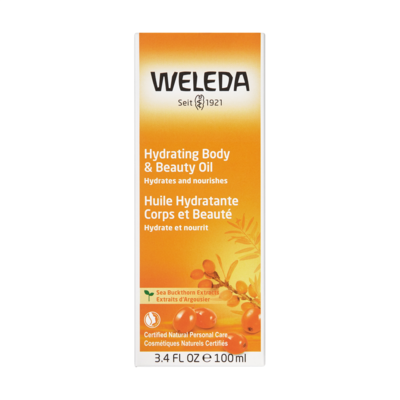
Weleda
An autumn skin ritual
A topical option for a simple body-care ritual when cool air and indoor heating leave skin feeling dry. Apply according to the label, and pair skin care with gentle cleansing and a moisturizer suited to your skin.
For external use only. Patch-test first, particularly with sensitive skin or fragrance allergies.
BROWSE MY FULLSCRIPT SHOPIn the storefront, search for “Sea Buckthorn Body Oil” by Weleda. Current availability and directions appear there.
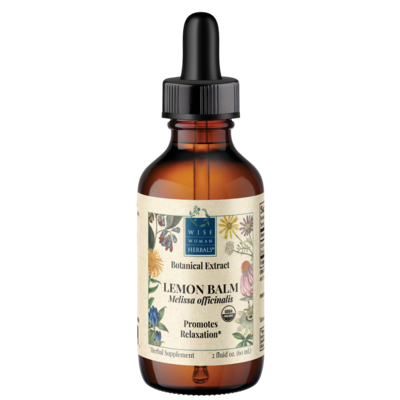
Wise Woman Herbals
A softer end to the day
Lemon balm’s traditional nervine role includes mild stress and sleep support. This liquid extract offers a different preparation from tea. It can accompany a quieter evening rhythm, without replacing attention to persistent low mood or a sleep disorder.
Review sedating medicines, thyroid conditions, pregnancy, and breastfeeding with your clinician. Different preparations are not interchangeable.
VIEW PRODUCT ON FULLSCRIPT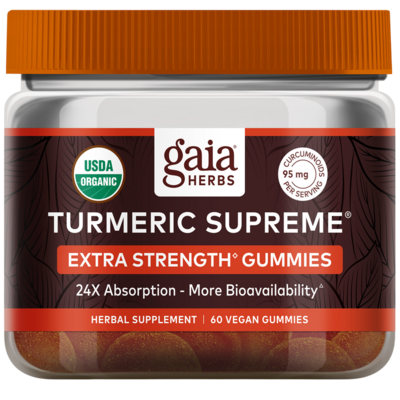
Gaia Herbs
A golden botanical, with context
Turmeric has a long place in food and Ayurvedic medicine. Some concentrated preparations have shown promise for knee osteoarthritis symptoms, but results vary by formulation. Those findings do not establish the same benefit for every gummy or culinary serving.
Review gallbladder disease, anticoagulant use, and liver history. Rare liver injury has been reported with some turmeric supplements.
BROWSE MY FULLSCRIPT SHOPIn the storefront, search for “Turmeric Supreme Extra Strength Gummies” by Gaia Herbs. Current availability and directions appear there.
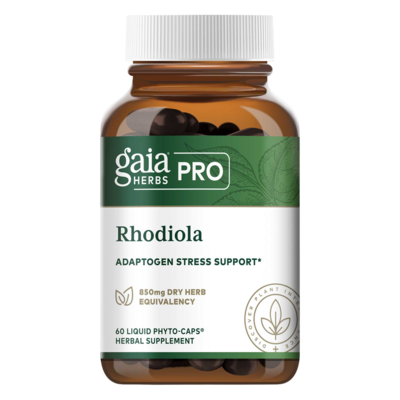
Gaia Herbs Pro
Resilience without overriding rest
Rhodiola rosea comes from northern herbal traditions concerned with endurance and fatigue. It is an optional botanical discussion after sleep, light, nutrition, and relevant health concerns have been addressed. Evidence is insufficient to present it as an established SAD treatment.
It may cause insomnia or activation. Review bipolar history and medicines, especially antidepressants or stimulants, with your clinician before use.
VIEW PRODUCT ON FULLSCRIPT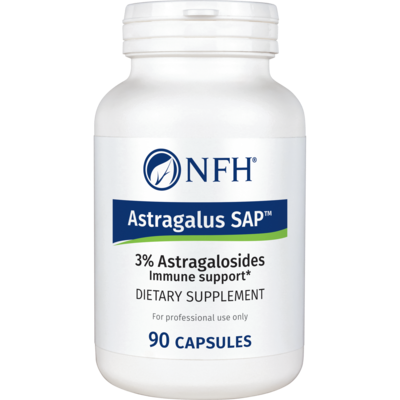
Nutritional Fundamentals for Health
The tonic tradition
Astragalus has a longstanding place in Chinese medicine, often within a broader formula. This capsule selection reflects that tradition of sustained support. Research on isolated constituents and telomeres does not show that this product extends human lifespan or reliably prevents colds.
Discuss autoimmune disease, transplantation, immunosuppressive medicines, pregnancy, and breastfeeding before use.
BROWSE MY FULLSCRIPT SHOPIn the storefront, search for “Astragalus SAP Adaptogenic” by Nutritional Fundamentals for Health. Current availability and directions appear there.
Wise Woman Herbals
Room for the bitter
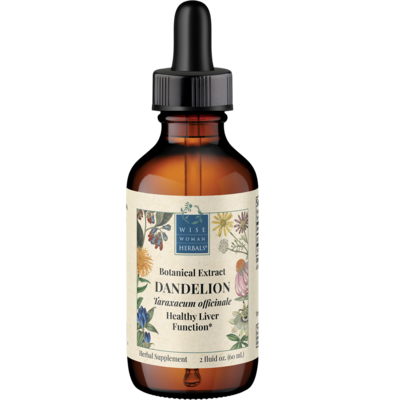
This root preparation keeps the plant part explicit. Dandelion’s bitter digestive tradition is different from the leaf’s traditional uses. It belongs in a thoughtful digestive conversation, without promising to “detox” the body or undo overindulgence.
Review gallbladder or bile-duct conditions and relevant plant allergies. Persistent digestive symptoms deserve assessment.
VIEW PRODUCT ON FULLSCRIPT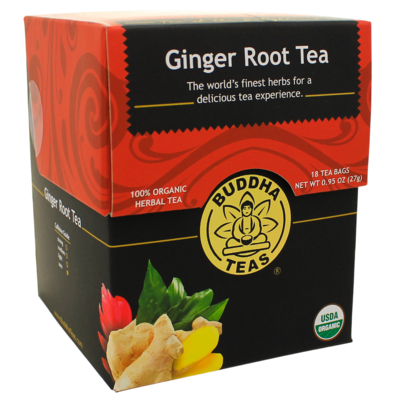
Buddha Teas
The pleasure of warmth
A warming cup creates a simple pause in the day. Ginger has a rich digestive tradition and evidence for some forms of nausea, although much of that research concerns specific supplements rather than tea.
Prepare according to the label. Strong ginger preparations can aggravate reflux; review concentrated use with your clinician if you take medicines affecting bleeding.
BROWSE MY FULLSCRIPT SHOPIn the storefront, search for “Ginger Root Tea” by Buddha Teas. Current availability and directions appear there.
Buddha Teas
An after-meal ritual
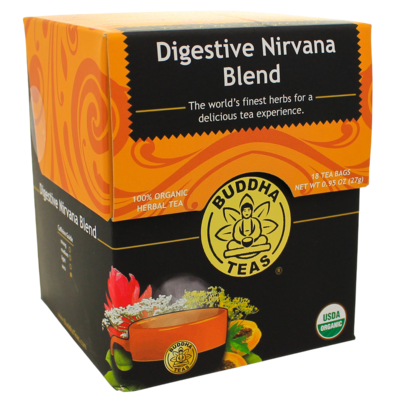
A blended tea offers an aromatic alternative to the single-herb ginger tea. Choose it for its current ingredients and how well you tolerate them. The fennel discussion in the seasonal article explains the carminative tradition; it does not establish the composition or clinical effects of this blend.
Read the current ingredient and allergen list. A soothing drink does not replace evaluation of persistent pain, weight loss, or a lasting change in digestion.
BROWSE MY FULLSCRIPT SHOPIn the storefront, search for “Digestive Nirvana Blend” by Buddha Teas. Current availability and directions appear there.
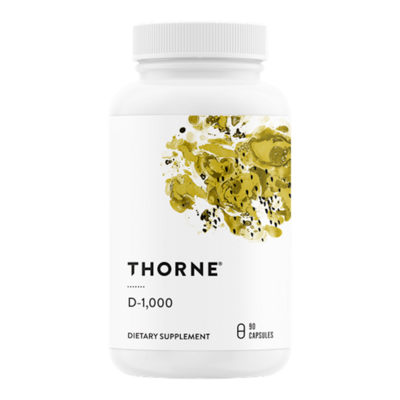
Thorne
Replenishment with a reason
Vitamin D belongs here when dietary intake, risk factors, or testing indicates a need. It supports bone and immune physiology; studies of vitamin D as a SAD treatment have produced mixed results. The dose should reflect your situation and total intake from all supplements.
Do not assume that more is better. Review 25-hydroxyvitamin D, calcium, kidney history, and an appropriate reassessment plan when supplementation is clinically indicated. A UV-filtered light box does not produce vitamin D in the skin.
BROWSE MY FULLSCRIPT SHOPIn the storefront, search for “D-1,000” by Thorne. Current availability and directions appear there.
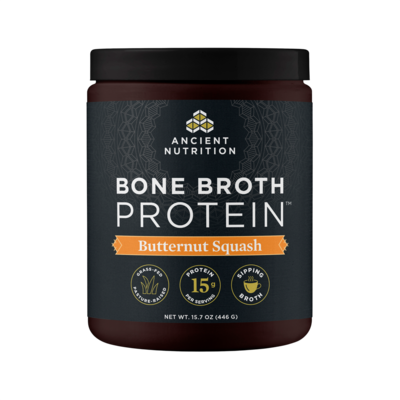
Ancient Nutrition
Nourishment that feels like the season
A savory option for days when something warm is easier to manage. Use it as one part of adequate food intake and a varied protein pattern, alongside fiber-rich plants and satisfying meals.
Review ingredients, allergens, and serving information. Bone-broth protein is not a complete meal, and collagen-rich protein should not be your only protein source.
BROWSE MY FULLSCRIPT SHOPIn the storefront, search for “Bone Broth Protein Butternut Squash” by Ancient Nutrition. Current availability and directions appear there.
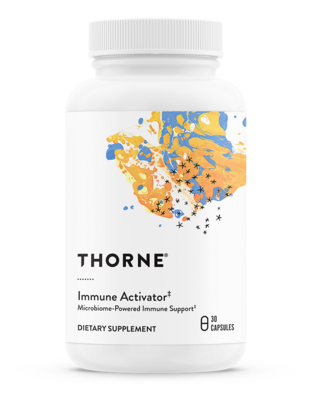
Thorne
The gut–immune connection
The manufacturer lists soluble carrot fiber and redcurrant/blackcurrant extract in this formula. It provides a distinct prebiotic and plant-polyphenol option within the collection. Regular meals, dietary fiber, sleep, and recovery remain the starting point.
This product is not a SAD treatment or a guarantee against infection. Check tolerance, allergies, and suitability with your clinician.
BROWSE MY FULLSCRIPT SHOPIn the storefront, search for “Immune Activator, Microbiome-Powered Immune Support” by Thorne. Current availability and directions appear there.
From my botanical journal
Roots, berries, fragrant leaves, and warming spices.
The complete current article from my Medicine Wild journal, originally published in 2019 and editorially updated in October 2026.
Leaves turn copper. Sweaters come out of storage. The air asks us to linger over something warm.
In my original fall-and-winter story, I imagined a cupboard stocked with plants to accompany the season. I still love that image: a small home apothecary, shaped by scent, memory, and practical knowledge.
These ten botanicals each bring something different. Some have well-documented traditional uses; others have emerging clinical research. You do not need to take them all. Getting to know one plant well can be its own kind of seasonal practice.
Eleutherococcus senticosus has a long history in traditions concerned with stamina and fatigue. Herbalists describe it as an adaptogen. The European Medicines Agency recognizes traditional use for tiredness and weakness, while noting limitations in clinical trials.1
I would let this plant begin a conversation about your energy, rather than become permission to push through exhaustion.
The orange berries of Hippophae rhamnoides feel like a little stored sunshine. Its seed and pulp oils have different fatty-acid profiles, and both appear in skin formulations. A small dermatitis study found improvement in the pulp-oil and placebo groups, so it did not establish a dependable oral treatment.2
For a beauty ritual, choose a well-formulated moisturizer your skin tolerates; introduce a new botanical on a small area first. Warm water, gentle cleansing, and less friction can make the ritual feel kinder to dry winter skin. An oil’s lovely color is not a measure of its ability to treat eczema.
Sambucus nigra has long belonged to seasonal respiratory care. Small studies suggest possible symptom benefits, but do not establish reliable prevention of winter infections or a guaranteed number of days saved.3
Choose a properly prepared elderberry product; raw or unripe berries, leaves, and stems are not suitable for a home remedy.
Rub a leaf of Melissa officinalis gently between your fingers and meet its bright, lemony scent. This is the sort of plant that reminds me why the sensory experience belongs in herbal medicine.
Its traditional nervine role includes mild stress and sleep support; its digestive tradition includes mild bloating. EMA recognizes those uses on a traditional basis. That history is meaningful without making every cup of tea equivalent to a tested extract.4
Let a quiet tea break mark the end of the workday. Sit somewhere comfortable. Notice the warmth of the cup before returning to the list of things still undone.
Curcuma longa brings color to the kitchen and a long history in Ayurvedic traditions. Some oral preparations show promising results for knee osteoarthritis symptoms, but the evidence varies by formulation. Culinary turmeric and concentrated curcumin are different preparations.5
Add the spice to a soup or stew for its earthy flavor.
Rhodiola rosea belongs to northern traditions of endurance and resilience. That history is worth knowing. Modern evidence is still insufficient for confident claims about treating fatigue or depression.6
I would pair interest about this root with a simpler question: what does this season ask you to change? More rest, regular meals, or time outside during daylight may be a beginning.
Astragalus membranaceus has a longstanding role in Chinese medicine, often within formulas. I value that whole tradition, including the importance of matching a preparation to a person.
Research into cellular pathways and telomeres does not show that a bowl of astragalus soup lengthens human life. Nor is routine cold prevention established.
Leaves, roots, flowers: Taraxacum officinale gives us several ways to meet the same plant. Bitter greens can bring contrast to a meal; root preparations have their own digestive traditions.
These are different preparations with different histories. Clinical evidence remains limited, and “detox” is too broad a promise for the research to support. I prefer to meet dandelion through its bitterness, botanical identity, and traditional uses, without making a tea responsible for undoing a season’s indulgence.8
The aromatic “seeds” of Foeniculum vulgare are botanically fruits. Their sweet anise-like flavor belongs to cooking and a long carminative tradition for mild bloating and digestive discomfort.9
A little culinary fennel can bring pleasure to a meal.
Sometimes the evening asks for something uncomplicated: a few thin slices of fresh Zingiber officinale steeped in hot water, made as mild or lively as you like.
Ginger has a rich digestive tradition and clinical evidence for some kinds of nausea, particularly pregnancy-related nausea. Much of that research concerns supplements rather than an improvised tea.
I want natural care to help us listen more closely. When fatigue lingers, digestion changes, or infections become unusually frequent or severe, testing may clarify what the body is asking for.
Choose a plant for a purpose. Learn its botanical name, the part used, how it is prepared, and when it is unsuitable.
Then give equal attention to the everyday foundations: enough food, warmth, rest, regular sleep, and moments of daylight.
The deeper invitation of a winter apothecary is to notice the season—and your own needs within it. Let the plants teach you something. Let the quiet teach you something too.
Put it into practice
Choose one or two plants for a clear purpose and learn their identity and preparation. Stock the kitchen with nourishing meals as thoughtfully as the herb shelf. Warmth, sleep, daylight, and enough recovery are the foundation of seasonal care.
Rest, enough food, fluids, and an appropriate response to the illness come first. Frequent, unusual, or prolonged infections deserve a clinical assessment; selected blood testing may then be helpful.
A useful conversation when fatigue, heavy periods, hair shedding, or a restrictive diet raises the question of iron deficiency. Ferritin belongs alongside the blood count and the wider clinical picture; inflammation can raise it.
While a familiar, well-tolerated tea or warm drink cools, let your hands rest around the cup. Notice its warmth, then three sounds in the room. Take one sip before returning to the day. There is nothing else to accomplish.
Not routinely. The important questions are what symptoms are present, how long they have lasted, and whether they are worsening or recurring unusually. Choose testing from that picture, and distinguish a comforting ritual from treatment for an active infection.
06 / Shop the Edit
Explore the Autumn selections above, then visit my Fullscript shop for current labels, pricing and availability. Choose the individual products that fit your care; you do not need everything in the Edit.
TAKE ME TO THE SHOP07 / Functional laboratory testing
A test begins with a question. In the appropriate clinical context, I consider thyroid function, vitamin D status, iron stores, vitamin B12, sleep quality, metabolic health, and hormonal transitions.
These assessments are not tests that diagnose seasonal affective disorder. They help identify potential contributors to fatigue, mood changes, and poor seasonal resilience.
Quest Diagnostics
Quest Diagnostics
Quest Diagnostics
Quest Diagnostics
Quest Diagnostics
Quest Diagnostics
TSH and free T4, a complete blood count, ferritin, and selected iron studies can help investigate relevant symptoms. Antibodies or additional thyroid tests depend on the clinical question. Ferritin can rise with inflammation, so interpretation belongs beside the full pattern.
EXPLORE FOUNDATIONAL TESTING25-hydroxyvitamin D is the blood marker used to assess vitamin D status when testing is indicated. B12 testing may be useful with dietary risks, anemia, or neurological symptoms. A borderline B12 result sometimes warrants further assessment. Replenish an identified need and reassess thoughtfully.
EXPLORE THE LAB GUIDEGlucose or HbA1c may be relevant when the history suggests a blood-sugar concern. A sleep history can be more useful than another panel; persistent snoring, unrefreshing sleep, or marked daytime sleepiness may warrant a sleep assessment.
READ ABOUT METABOLIC TESTINGCycle changes, perimenopause, and postpartum recovery can overlap with seasonal symptoms. Start with the timeline and symptom pattern. Hormone testing should answer a specific question; it does not diagnose SAD, and no single hormone measurement explains every symptom.
EXPLORE WOMEN’S HEALTH TESTINGThere is no universal seasonal panel or validated set of “optimal” values for everyone. Interpret results using the laboratory method, your history, relevant trends, and the decision a result could change.
Quest Diagnostics
Quest Diagnostics
Precision Analytical (DUTCH)
Genova Diagnostics
Quest Diagnostics
Tiny Health
Quest Diagnostics
Precision Analytical (DUTCH)
Quest Diagnostics
Quest Diagnostics
Quest Diagnostics
Quest Diagnostics
3X4 Genetics
Quest Diagnostics
Quest Diagnostics
Quest Diagnostics
Quest Diagnostics
SpectraCell
Boston Heart Diagnostics
Jona
TruDiagnostic
Quest Diagnostics
Quest Diagnostics
RealTime Labs
Access Labcorp Draw
Quest Diagnostics
Quest Diagnostics
Quest Diagnostics
Precision Point Diagnostics
Quest Diagnostics
US BioTek
Access Medical Labs
Ordering eligibility, availability and collection fees can vary by test and location. Confirm the current listing and your clinician’s instructions before ordering. Laboratory results belong within your history and care; no single result identifies the whole cause of a symptom.
08 / The physician behind the Edit
09 / Related reading & collections
No. SAD is a recurring seasonal pattern of depression. Symptoms, timing, duration, and their effect on daily life need assessment; low iron, thyroid problems, sleep disorders, and hormonal changes may overlap.
No. The collection offers different tools and several alternative preparations of the same botanical. Begin with light, food, sleep, movement, and connection, then consider only what answers a clear need.
These herbs are not established substitutes for assessment and effective care for depression. Persistent symptoms deserve a plan that can include therapeutic light, psychotherapy, and other appropriate care.
No. Therapeutic light boxes filter ultraviolet light and work through the eyes and circadian system. Vitamin D status is a separate nutritional question.
No. Age, pregnancy, breastfeeding, medicines, diagnoses, product concentration, and laboratory findings can change suitability and dose. Public educational selections are not an individualized prescription.
10 / Research & references
Botanical references are preserved with the complete article and individual selections. This is educational information and does not establish a physician–patient relationship. Purchases through Fullscript may financially support my practice.
The changing light is an invitation to pay closer attention to what the body needs.
The Foundations · My gift to you
Before protocols. Before supplements. Begin with water, nourishment, breath, and the everyday environment that supports your health.
Start My Free Foundations Course